

Let’s break this into two phases to balance DSA fundamentals and applying Java in web development (Spring Boot). I’ll include code snippets, practical examples, and real-world use cases to show how these concepts connect.
Phase 1: DSA Fundamentals in Java #
1. Basic Data Structures #
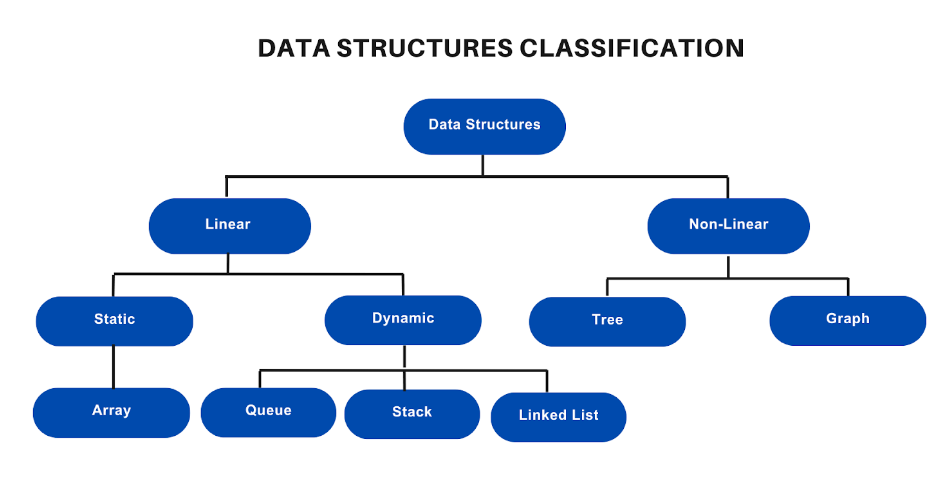
Arrays #
- What: Contiguous memory blocks for storing elements.
- Why: Used in caching, sorting, and temporary data storage in web apps.
int[] numbers = {3, 1, 4, 1, 5};Arrays.sort(numbers); // Sorting (used in pagination/APIs)Linked Lists #
- What: Nodes linked via pointers. Used in
LRU Cache(common in web caching).
LinkedList<String> users = new LinkedList<>();users.add("Alice");users.addFirst("Bob"); // O(1) time complexityHashMaps #
- What: Key-value pairs. Used for fast lookups (e.g., session management, caching).
Map<String, Integer> productPrices = new HashMap<>();productPrices.put("Laptop", 999);productPrices.get("Laptop"); // O(1) lookup2. Algorithms #
Binary Search (O(log n)) #
- Use Case: Searching in sorted data (e.g., product catalog).
int[] sortedPrices = {100, 200, 300, 400, 500};int index = Arrays.binarySearch(sortedPrices, 300); // Returns 2Sorting (QuickSort, MergeSort) #
- Use Case: Ordering API responses (e.g., price low-to-high).
List<Integer> prices = new ArrayList<>(List.of(300, 100, 200));Collections.sort(prices); // Uses MergeSort under the hoodRecursion #
- Use Case: Nested data structures (e.g., comment threads in a blog).
void printComments(Comment comment, int depth) { System.out.println(" ".repeat(depth) + comment.text); for (Comment reply : comment.replies) { printComments(reply, depth + 1); // Recursive call }}Phase 2: Java in Web Development (Spring Boot) #
1. Spring Boot Basics #
REST API Example #
@RestControllerpublic class ProductController { @GetMapping("/products") public List<Product> getProducts() { // Assume this fetches from a database return Arrays.asList( new Product("Laptop", 999), new Product("Phone", 699) ); }}DSA Connection: #
- Returning sorted data? Use
Collections.sort()or databaseORDER BY. - Searching products? Use binary search on cached data.
2. Database Operations (Spring Data JPA) #
Pagination & Sorting #
- DSA Link: Sorting algorithms are used under the hood by databases.
// Spring Data JPA method for paginationPage<Product> products = productRepository.findAll( PageRequest.of(0, 10, Sort.by("price").ascending()));3. Caching (Using HashMap Concepts) #
- LRU Cache Implementation (simplified):
@Beanpublic CacheManager cacheManager() { return new ConcurrentMapCacheManager("products"); // Backed by a HashMap}4. Real-World DSA in Web Dev #
Scenario: Autocomplete Search Bar #
- DSA Choice: Use a Trie (prefix tree) for efficient search.
class TrieNode { Map<Character, TrieNode> children = new HashMap<>(); boolean isEndOfWord;} // In a Spring Service:public List<String> searchPrefix(String prefix) { // Traverse the Trie to find all words with the prefix}How to Practice #
Step 1: DSA Problems #
- LeetCode/CodeWars: Solve problems like:
- Two Sum (use HashMaps).
- Merge Intervals (sorting + arrays).
- Reverse a Linked List.
Step 2: Build a Spring Boot Project #
- Project Idea: E-commerce API.
- Use HashMaps for in-memory cart storage.
- Implement sorting for product listings.
- Add caching for frequently accessed products.
Why This Works #
- DSA in Web Dev:
- HashMaps → Session storage, caching.
- Trees → Database indexing (B-trees).
- Sorting → Ordering API responses.
- Spring Boot: Abstracts complexity but relies on your DSA knowledge for optimizations.
Next Steps #
- Learn DSA Basics: Focus on arrays, linked lists, hash tables, and sorting.
- Build Simple APIs: Use Spring Boot to create CRUD APIs.
- Combine Them: Optimize your APIs with DSA concepts (e.g., caching with LRU).
Want to discuss with a specific topic? Let me know! Contact

Loading discussion...