

Google is officially retiring Jules, its asynchronous AI coding agent, on December 31, 2026. For developers who have been using it to delegate coding tasks, fix bugs, manage repositories, and automate development workflows, the announcement marks the end of a useful chapter.
The first major change has already happened. On November 11, 2026, Jules entered read-only mode. You can no longer start new coding sessions or execute new tasks.

Google Jules working through code changes and presenting its implementation for review. Image: Google.
Jules was different from the usual AI coding assistants. Rather than simply suggesting code while you typed, it could take an assigned task, inspect your GitHub repository, prepare an implementation plan, execute changes in a cloud environment, run tests, and create pull requests.
You could assign a task, move on to something else, and come back to review the results. That asynchronous workflow was a big part of its appeal.
So why is Google shutting it down?
The decision is part of Google's broader move to consolidate its agentic coding products around Google Antigravity. Rather than maintaining multiple independent coding-agent experiences, Google is investing in a more comprehensive environment for developers to manage AI agents.
From Jules to Google Antigravity #
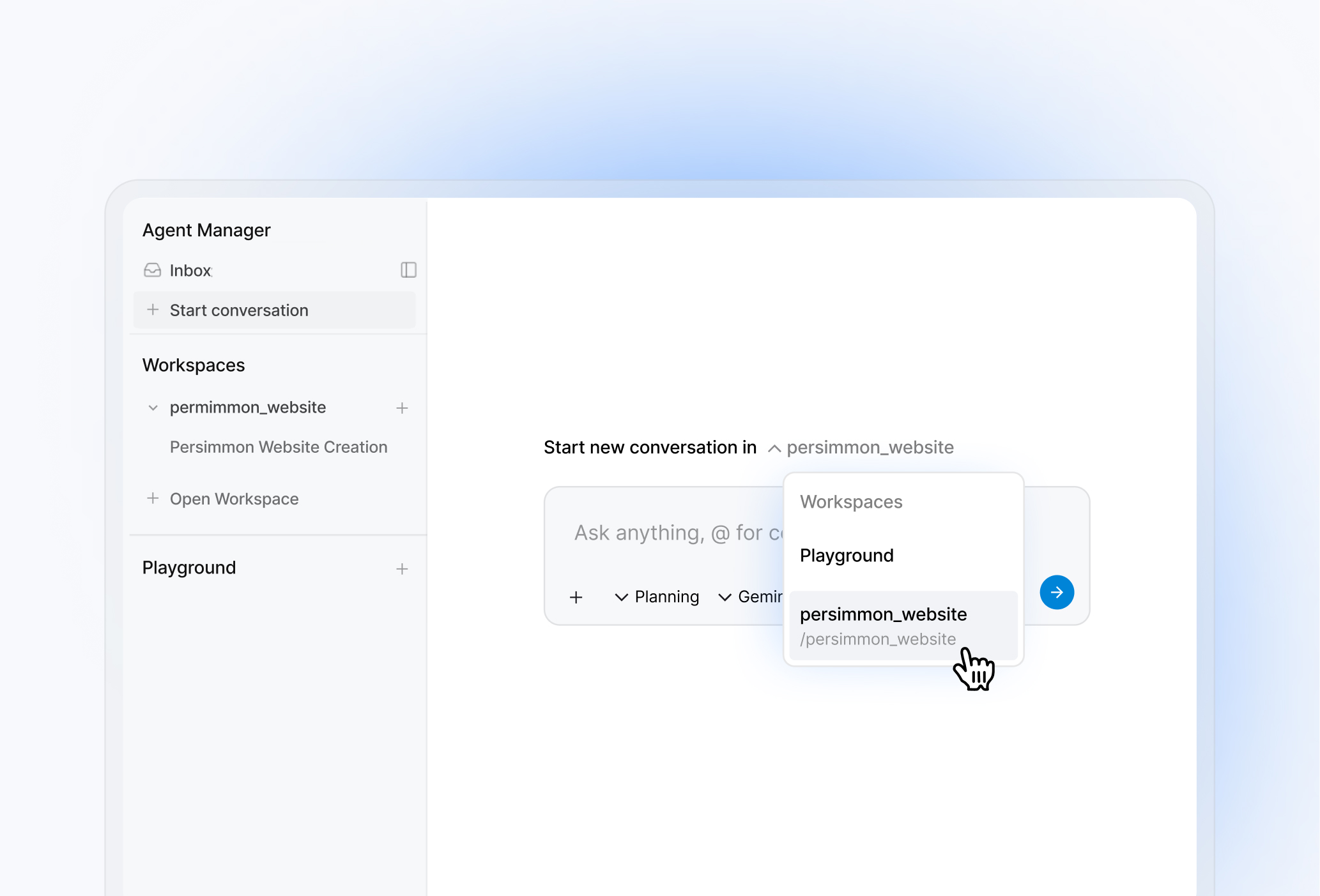
Google Antigravity's Agent Manager, designed to coordinate multiple coding agents.
Antigravity takes the agent-first approach further. Instead of treating AI as an assistant attached to an editor, it introduces an environment where developers can launch and supervise agents working across different tasks and workspaces.
Its Agent Manager provides a central place to organize work, monitor progress, and review what agents produce. Developers can coordinate multiple agents while retaining access to a familiar code editor.
Antigravity's development environment. Image: Google Antigravity documentation.
There is an important distinction, though: Antigravity is not simply Jules with a new name. Google has not promised an automatic migration of Jules sessions, memories, or configurations into Antigravity. Developers should plan to export and adapt their data themselves.
Your GitHub repositories are safe #
The most reassuring part of Google's announcement concerns existing development work.
Any code, branches, and pull requests already pushed to GitHub will remain intact after Jules shuts down. Your repositories aren't hosted exclusively inside Jules, and the shutdown will not erase your committed development history.
You can continue cloning repositories, reviewing commits, merging pull requests, and developing with other coding tools.
But there is a catch.
Your GitHub repository doesn't necessarily contain everything Jules knows about your project. Environment variables, setup scripts, scheduled tasks, project memories, account settings, and previous session history are separate pieces of information.
Losing those could mean losing valuable development context even when every line of source code remains safe.
The important part: Export your Jules data #
Google has provided an official export process through its Jules Tools npm package.
Start by installing the package:
npm install -g @google/julesAuthenticate using your Google account:
jules loginGoogle's documented workflow then uses a CLI coding agent, such as Antigravity CLI, to execute the supplied export instructions from your home directory.
The exported information is saved locally in:
~/jules-exportThe export includes account settings, connected repositories, environment variables, scheduled tasks, and session-related information.
Individual session exports can preserve useful details such as original prompts, implementation plans, activity logs, summaries, and code patches. Project-specific memories and setup information can also help reconstruct the environment in which Jules worked.
One important security warning: environment exports can contain actual credentials and API keys. Keep the exported folder private and never commit it to a public GitHub repository.
Also, verify that the export completed successfully and that the files you care about are present. Don't wait until December 31 to discover that something important was missed.
December 31 is the final deadline, not the day to start preparing #
Google's decision reflects a broader shift in AI-powered development: from individual coding assistants toward environments capable of coordinating multiple autonomous agents.
Jules helped demonstrate how useful asynchronous coding could become. Antigravity represents Google's next direction for that experience.
For developers, the practical lesson is straightforward. Your source code may be safely stored in GitHub, but the knowledge and configuration accumulated by an AI platform can disappear when the platform does.
Export the data, inspect your unfinished sessions, preserve the useful project context, and decide what belongs in your next development workflow.
Jules may be shutting down, but your projects don't have to lose everything that made working with it productive.
Official resources

Loading discussion...