
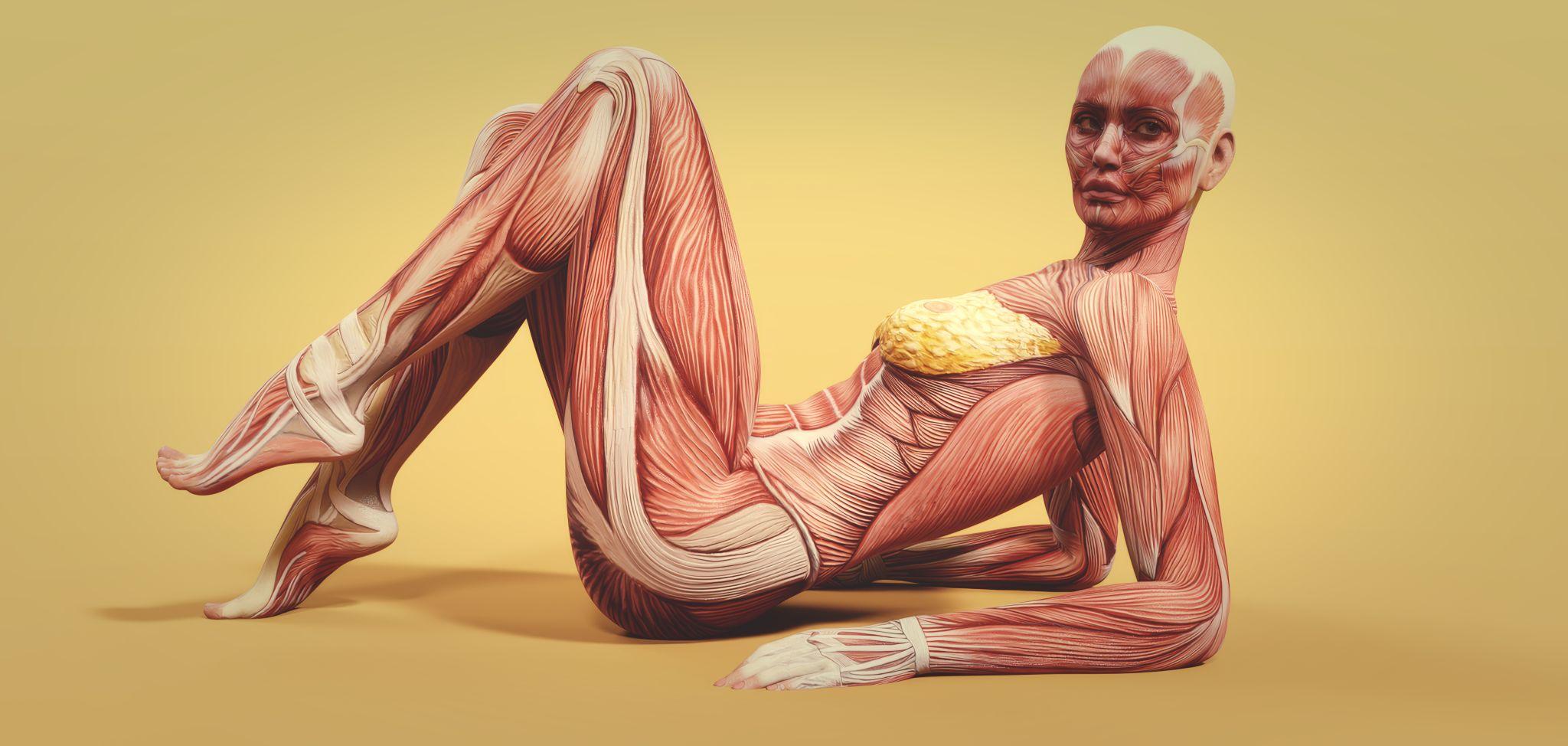
3D Visualization in the Medical Field #
Introduction #
3D visualization has revolutionized the medical field by providing interactive, detailed, and realistic representations of anatomical structures. This technology bridges the gap between raw medical data and human understanding, enabling healthcare professionals to diagnose, educate, plan, and treat more effectively.
Importance of 3D Visualization in Medicine #
- Enhanced Understanding: Provides an intuitive and detailed view of organs, bones, and tissues.
- Better Diagnosis: Allows physicians to explore internal structures and abnormalities from all angles.
- Efficient Surgical Planning: Simulates surgeries, reducing risk and improving precision.
- Patient Education: Helps patients understand complex conditions and treatments through visual models.
- Training Tool: Offers medical students hands-on practice in a risk-free environment.
Applications #
1. Radiology and Diagnostic Imaging #
- Converts CT, MRI, and PET scans into 3D models.
- Enables radiologists to inspect cross-sectional data in volumetric form.
2. Surgical Planning #
- Pre-operative planning using patient-specific 3D models.
- Minimizes complications in neurosurgery, orthopedic, and cardiovascular procedures.
3. Medical Training and Education #
- Virtual reality (VR) and augmented reality (AR) simulations for anatomy learning.
- Interactive dissections without the need for cadavers.
4. Prosthetics and Implants #
- Custom prosthetics using 3D scans and visualization.
- Accurate implant design through 3D modeling.
5. Telemedicine and Remote Consultation #
- Shared 3D models improve clarity in remote diagnosis and discussions.
Technologies Involved #
- DICOM Format: Standard for handling, storing, and transmitting medical imaging data.
- 3D Rendering Engines: Unity, Unreal Engine, and VTK (Visualization Toolkit).
- Medical Imaging Software: OsiriX, 3D Slicer, Mimics.
- Hardware Tools: VR/AR headsets, 3D scanners, high-resolution displays.
Benefits #
- Non-invasive and precise visualization.
- Reduced surgical errors and enhanced outcomes.
- Cost-effective training and education.
- Real-time collaboration across departments.
Challenges #
- High computational requirements.
- Data privacy and secure sharing of patient models.
- Requires skilled personnel and training.
- Integration with hospital IT systems can be complex.
Future Prospects #
- AI Integration: Automated segmentation and diagnosis.
- Cloud-Based Platforms: Accessible 3D models on any device.
- Immersive Experiences: Advanced AR/VR for real-time surgery assistance.
- Bioprinting Integration: Visual planning before printing tissues or organs.
Conclusion #
3D visualization stands at the forefront of modern medicine, enhancing the way we understand, diagnose, and treat the human body. With continuous innovation, it promises to reshape the future of healthcare delivery and education.
Image credit: RV3D
Prepared by: Jessica
Loading discussion...